Overview
Explore sensory and grounding strategies to help youth with complex trauma regulate, stay present, and engage in healing.
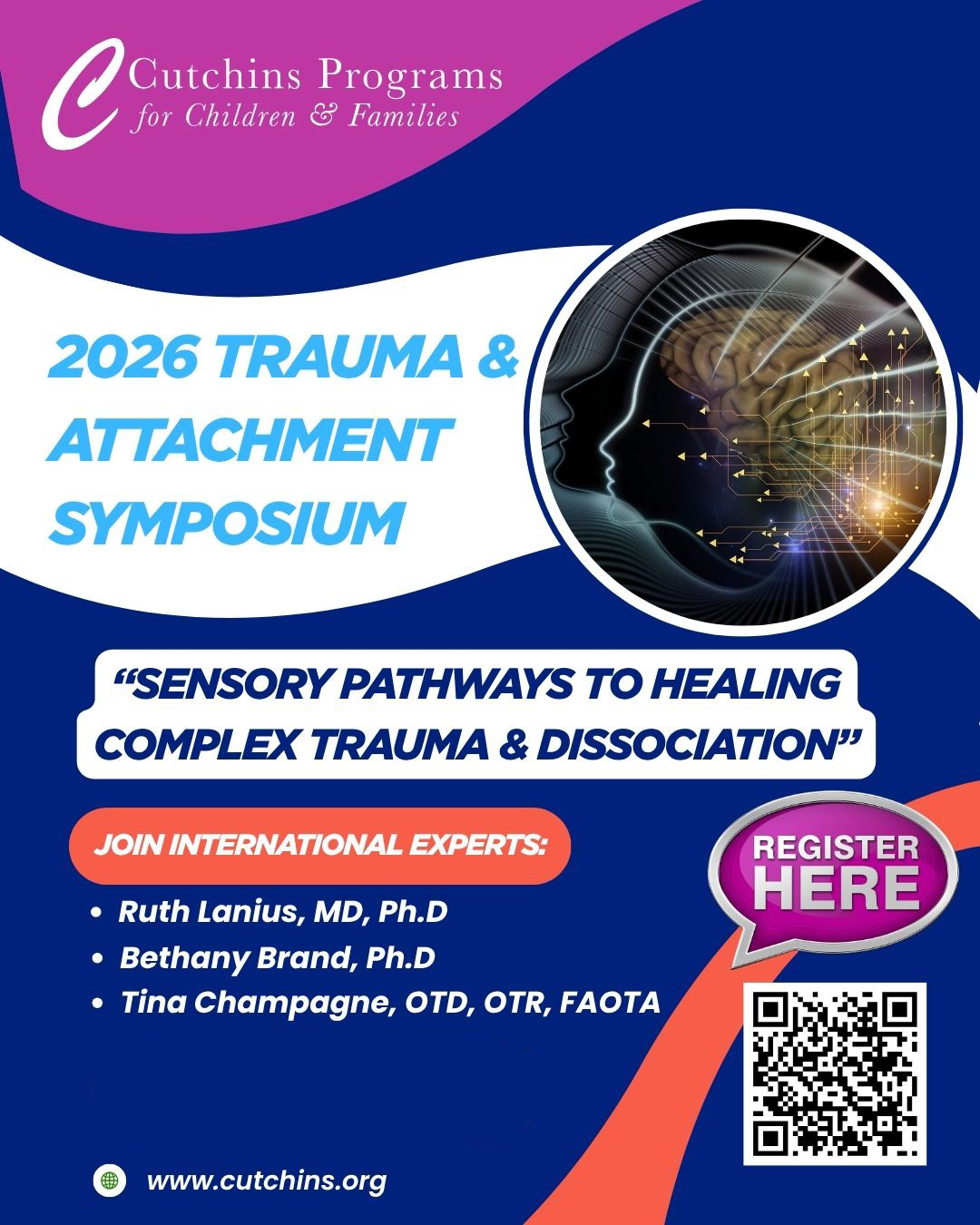
This dynamic, intermediate-level workshop brings together internationally recognized leaders in trauma and dissociation—Dr. Ruth Lanius, Dr. Bethany Brand, and Dr. Tina Champagne—to explore innovative, evidence-based approaches for supporting youth impacted by complex trauma.
Children and adolescents who have experienced complex trauma often fluctuate between states of emotional overwhelm and detachment or numbness, making it challenging to remain present, regulate emotions, and engage in therapeutic work. Despite the prevalence of these challenges, many clinicians have limited training in recognizing dissociation and implementing effective, developmentally appropriate stabilization strategies.
Drawing from the Finding Solid Ground® (FSG) program, this workshop introduces a structured, research-supported framework designed to build foundational skills in safety, emotional regulation, and present-moment awareness. Participants will gain a deeper understanding of why these stabilization skills are essential before engaging in more intensive trauma processing.
In addition, the workshop integrates current neuroscientific research to highlight the connection between trauma, sensory processing, and dissociation. Attendees will be introduced to neurobiologically informed grounding strategies that extend beyond traditional techniques, with a focus on improving client engagement and treatment outcomes.
A key component of the training will explore how the Sensory Modulation Program can enhance clinical practice. Participants will learn how to incorporate a range of sensory-based interventions—including the use of the balance (vestibular) system and other sensory pathways—to help youth move from states of dysregulation or disconnection toward greater stability, presence, and connection.
Through a combination of lecture, demonstration, discussion, and experiential learning, participants will leave with practical tools and strategies that can be immediately applied in clinical settings. The workshop will conclude with an interactive Q&A session, providing an opportunity to engage directly with the presenters and deepen understanding of the material.